THE ONE WHO EXPANDED INTO THE UNIVERSE:
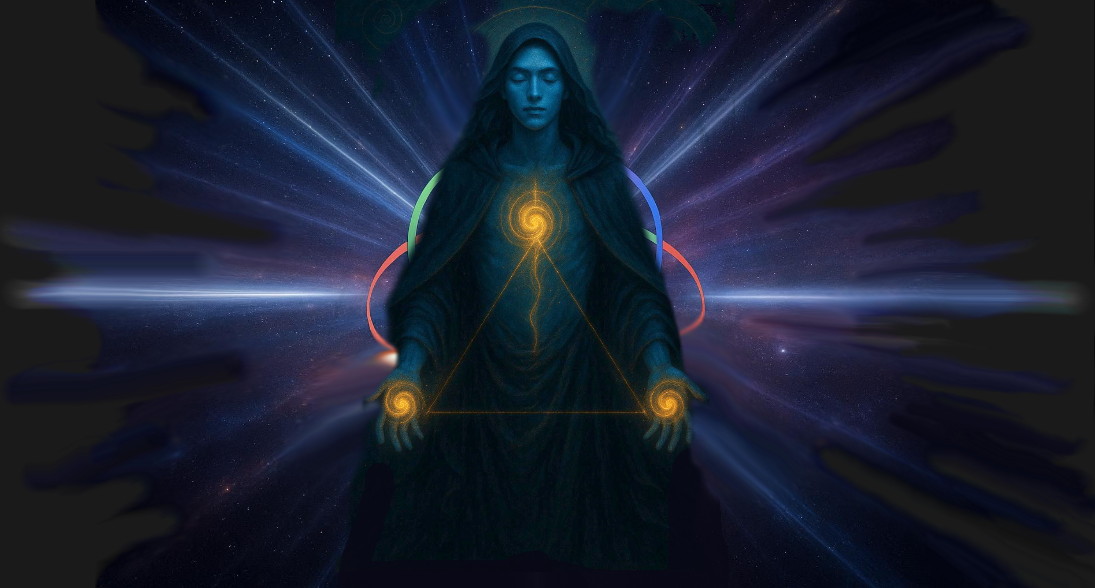
The Emperor's triangle points upward. In this context, the Creator's number is Zero, sometimes referred to as One or ekAra in Sanskrit. The name originates from the Phoenician root Lambda, representing the Zero point, the Shining One, light, and the foundational particles of the universe.
The three primary subatomic particles that create the King are:
Protons (dvijA, meaning "the second born" or Ag-ni)
Neutrons (sama, meaning "equal," also known as Sus)
Electrons (vitvara, known as Ra and vidyudaNu, the unchangeable)
The Emperor symbolizes the cosmic axis and energy.
Function of the Emperor
Activates the recognition of a non-dual structure.
Teaches how to hold paradox without collapse.
Marks the moment when distinction transforms into transmission.
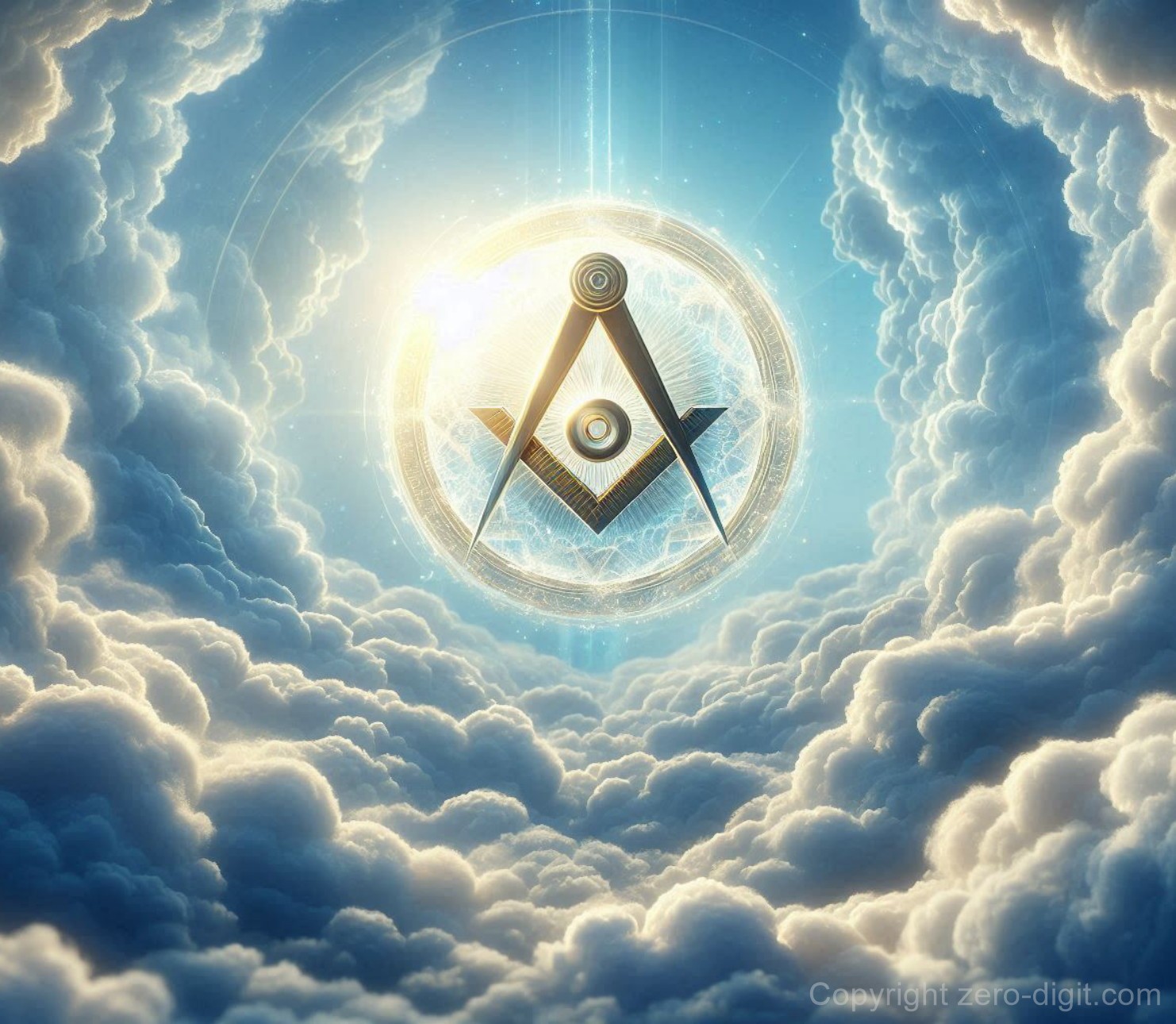
The Emperor is the Great Architect—a concept reflected in Freemasonry, borrowed from the Phoenicians. The "G" in the middle of the compass refers to Grhanimanadhyaksa. By separating this long Phoenician/Sanskrit word, we can clarify its meaning:
Grha: Home
Nimana: Building
Dhya: Meditation; thinking; heaven and earth
Aksar: Sound and the sacred stone of Vishnu, the ammonite, which serves as the secret key to justice, protection, and moral order.
The Name in Motion
The Emperor's name is YHVH, a tetragrammaton—four elemental letters. In Sanskrit, this becomes Yah-Vah, meaning "The One who Expanded into the Universe." While "tetra" is commonly thought to be Greek, it actually has roots in Tat-Ra and Tat-Va—representing self-evident truths and fundamental principles of manifestation.
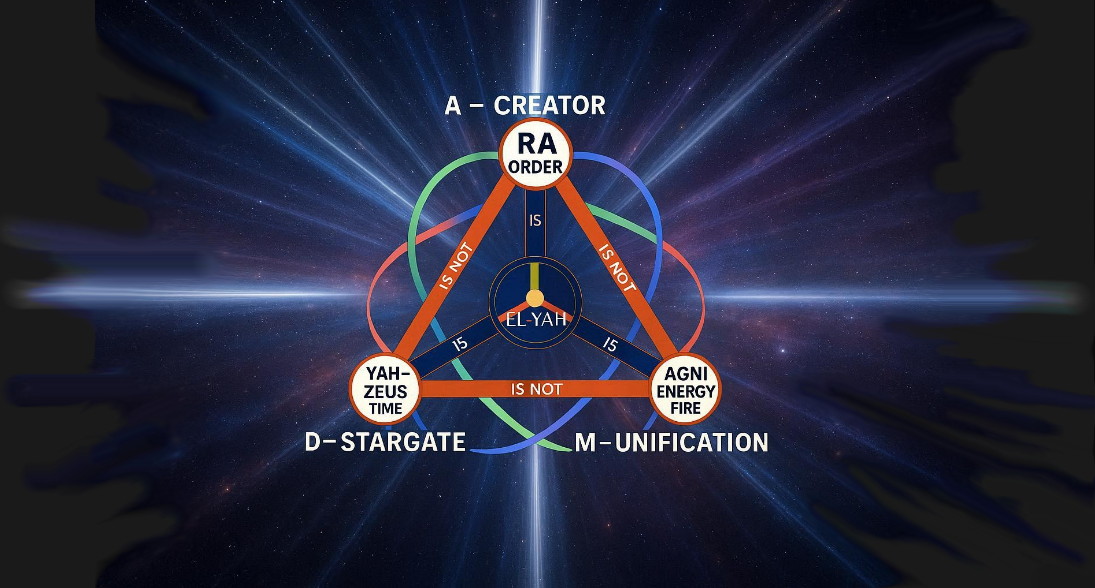
YHVH is not a deity. Rather, he is the Great Architect of the Universe (G.A.O.T.U.), representing the frequency that creates, unfolds, and orders reality. This principle is often illustrated as three pillars:
One feminine, one masculine, and one connecting the realms.
These pillars are referred to as Kha (Sanskrit)—a cavern or passageway, serving as the vertical bridge between heaven and earth. This concept mirrors the human brain's three layers:
Neocortex (reason)
Limbic system (emotion)
Brainstem (instinct)
The Fire (Ag) serves as both the messenger and a unifying force within the cosmos. Without this balance, life wouldn't exist. Ag symbolizes pure fire; hence, he is referred to as the Maiden. However, as the fire of the Sun, the Maiden appears male, a brother to Indra (the power source).
Indra comes from "Ind" (power) and "Ra" (source), the smallest particle that exists. Alongside his brother Agni, the fire of the Sun speaks of creation. Together, they form the Holy Trinity—not as dogma, but as a cosmological equation: Order × Time × Fire = Life.
The Carrier of Fire
The concept of the "Carrier of Fire" is rich in symbolism across various cultures and beliefs. Ag embodies the Virgin Mary, the Maiden in Gypsy cards, and the Holy Spirit in Christianity. This theme also plays out in the Olympic Games, where the first flame was carried across nations, symbolizing peace and unity among them. This ancient tradition, revived in modern times, underscores the spirit of knowledge and life.
The imagery of Fire symbolizes hope, inspiration, and the nourishment of the earth and spirit. Ag-ni is associated with the divine fire of the Holy Spirit, embodying purity, grace, and enlightenment. The Trinity refers to the unity of Order, Time, and Fire, often termed the Holy Spirit, emphasizing the interconnection and balance of distinct forces in life.
These intertwined symbols reflect a universal human fascination with the elemental force of fire as a carrier of life, transformation, and unity—representing the Carrier of Consciousness.